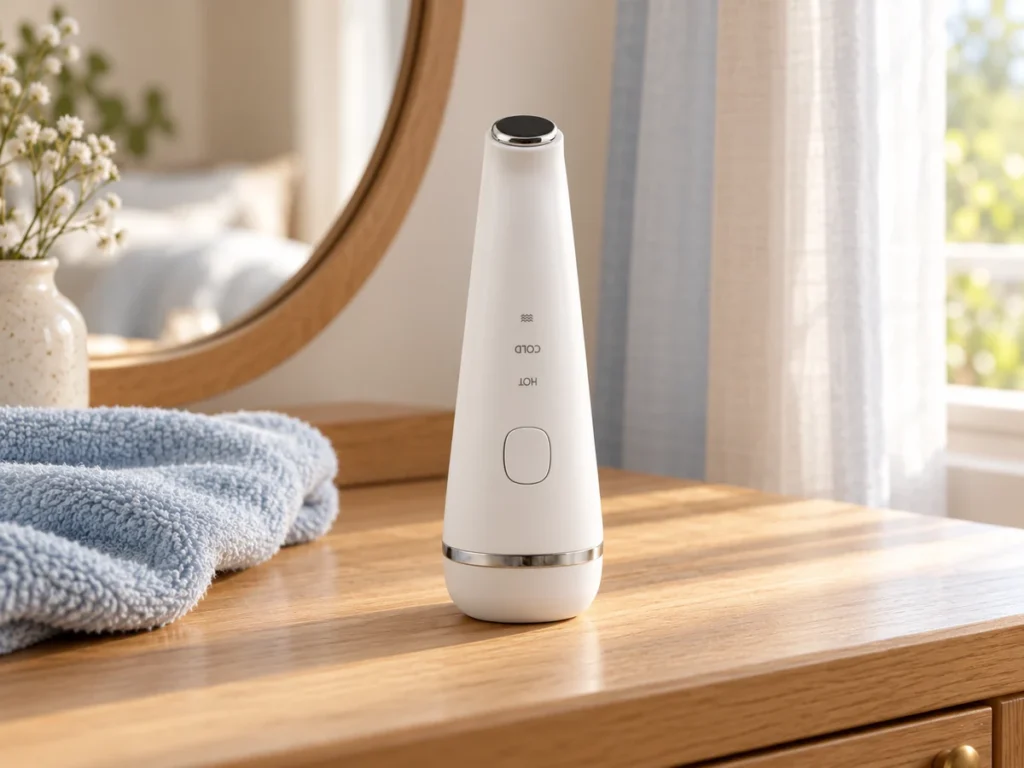
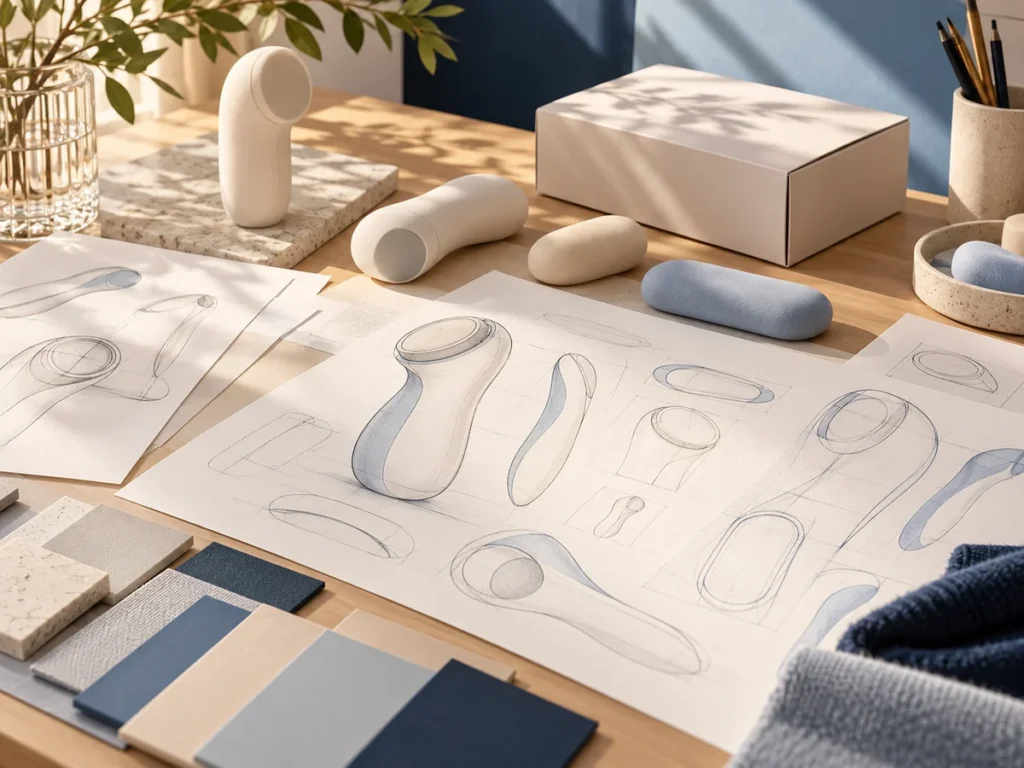
Use a common specification and a complete launch-cost worksheet to compare beauty device quotes, packaging, development charges and repeat-order assumptions.
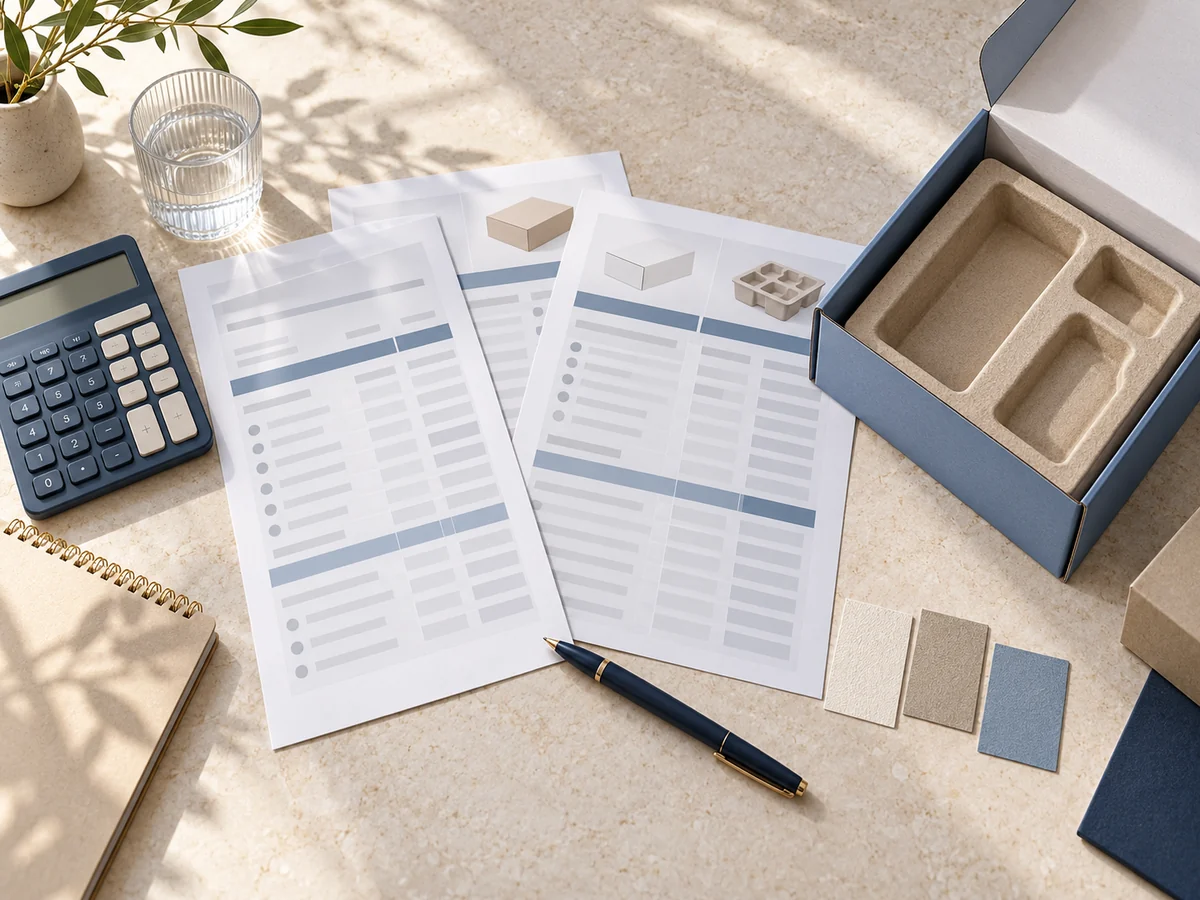
AI-generated editorial still life illustrating purchasing and packaging decisions.
Two beauty device quotations can look comparable until the first sample arrives. One may include a retail box and charging cable; another may cover the device in a basic bag. One may assume standard branding while another includes an engineering change. A useful comparison begins by making the deliverables identical, then separating the costs that repeat from those that occur once.
Create a single reference offer
Describe one complete saleable unit from your customer’s perspective: device, accessories, packaging, instructions and intended brand presentation. Give the specification a date and revision number, and send the same version to every shortlisted supplier. If a supplier proposes an alternative, ask for it as a separate option rather than letting it silently replace the reference offer.
For example, a brand may want a facial device bundled with a pouch and a localized manual. If the pouch is missing from one quotation, the difference is not yet a manufacturing saving. Mark it as an unresolved scope item. This simple discipline prevents a low headline price from becoming the baseline for an incomplete product.
Make every quoted line answer one question
| Cost group | Question for the supplier |
|---|---|
| Recurring product costs | What exactly is included in each finished unit at this order quantity? |
| One-time project costs | Which sample, development, tooling or artwork charges apply, and what do they deliver? |
| Order-level costs | Which inspection, shipping preparation or other batch charges are separate? |
| Buyer-side costs | What will our team need to arrange for launch and delivery? |
Keep the currency, quotation validity, payment milestones and delivery basis visible on the same worksheet. Record the named delivery location. A price that ends at the factory gate cannot be compared directly with an offer including additional transport arrangements. Ask your logistics partner to complete the delivery portion for your actual shipment.
Use the first-order quantity for the first-order calculation
The first launch must stand on its own economics. A price based on a future volume forecast is useful for planning, but it should not replace the price for the quantity you are actually buying. Request separate quantity options and identify what changes at each level: unit cost, packaging minimums, production setup, or available customization.
A useful internal calculation is: first-order planning cost per saleable unit equals recurring goods costs plus allocated project and order costs, divided by the quantity expected to be available for sale. Use consistent assumptions for evaluation units and other planned allocations. Keep uncertain costs as estimates with named owners; an empty cell should not automatically become zero.
Run a second calculation for the repeat order. Removing a tooling fee may improve that calculation, but only if the repeat product remains unchanged and no new fee applies. Confirm how long the quoted price can remain valid and which component, packaging or quantity changes would trigger a revised offer.
Turn exclusions into decisions before paying a deposit
Highlight anything the quotation leaves to later agreement. Packaging inserts, barcode artwork, translated instructions and a different charging accessory can all create work outside the device assembly itself. Assign each item to the brand, supplier or another service provider, and record the approval date needed to protect the launch schedule.
Documentation also needs an exact scope. Ask which files are available for the selected model and configuration, which additional review or testing is being quoted, and who will coordinate it. A generic list of certificate names does not establish what your branded version will receive. Requirements depend on the product, intended use and destination market.
Compare the response as well as the number
A clear answer to an awkward question is valuable purchasing information. If a supplier identifies a design change that needs validation, include that work in the comparison. If a price depends on an unspecified substitute component, request a defined alternative. The goal is to understand the offer well enough to approve it, explain it internally and use it again on a repeat order.
- Match every offer to the same dated specification and quantity.
- Separate device, packaging and accessory options.
- Show one-time fees apart from recurring costs.
- List exclusions, assumptions, delivery basis and quote validity.
- Confirm the process for additional changes after sample approval.
- Document repeat-order pricing assumptions and after-sales responsibilities.
Request a proposal that supports a decision
When approaching BINZIM, send the exact model or product concept, target market, customization list, first-order quantity and packaging expectations. Ask for an itemized proposal and keep optional changes separate. That allows your team to compare a defined product program rather than several different interpretations of a short inquiry.
Send BINZIM your model and project requirements →
Related guide: Choose the manufacturing route before fixing the budget.
Editorial background & further reading
Industry reading: Beauty Device OEM Checklist for Skincare Brands — FITTOP. This BINZIM guide uses an independently written structure, practical planning tools and illustrative examples; third-party product claims do not describe BINZIM products.
Reviewed October 24, 2026. Confirm current specifications, available documents and commercial terms for the exact model and target market before ordering.