Amorepacific and Samsung’s VivaTech demonstration links skin analysis with product recommendations. For device brands, the bigger opportunity is a better consultation workflow.
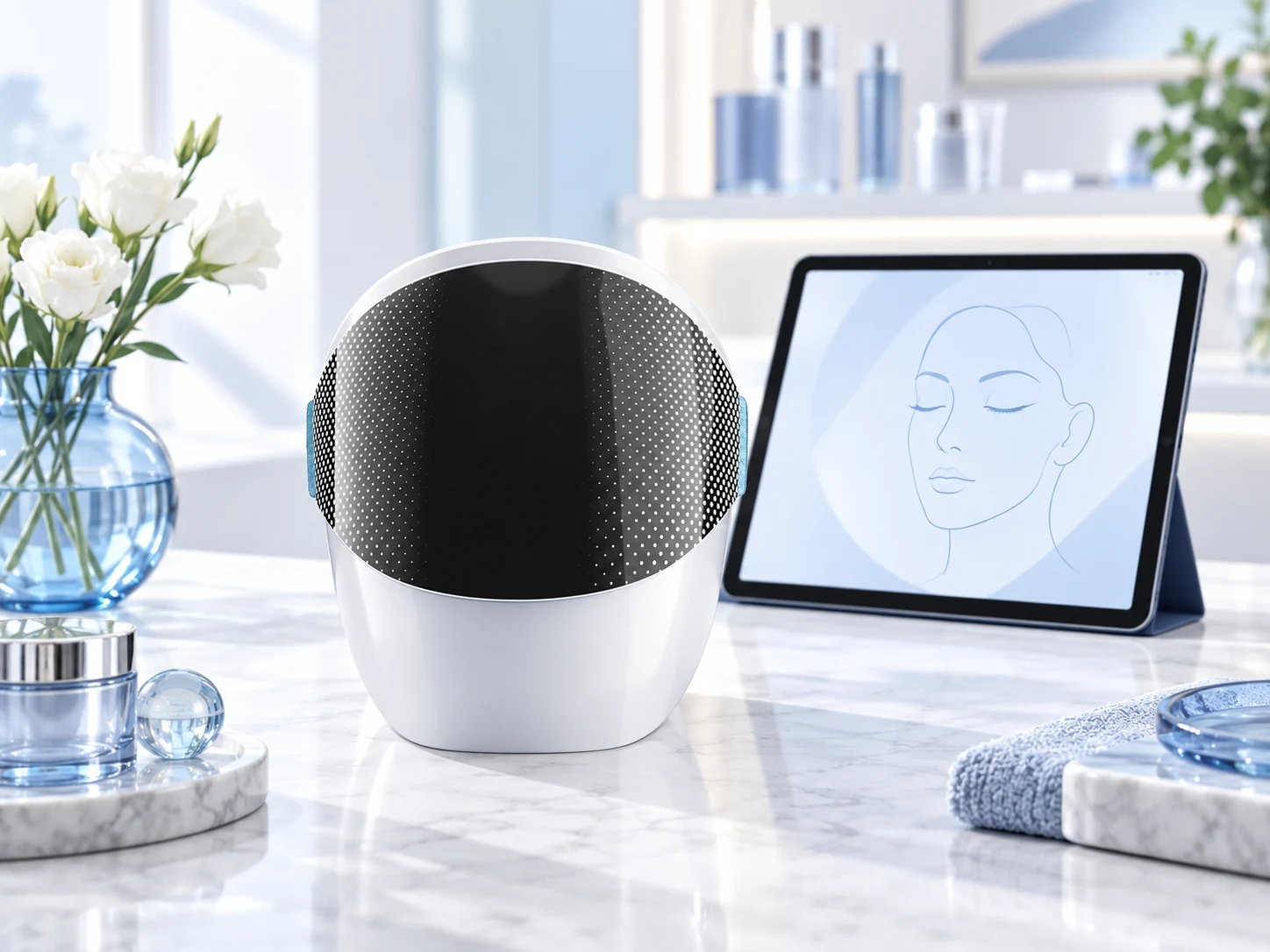
AI-generated editorial illustration based on BINZIM product references; not a photograph of the reported event or proof of product features.
The news: June 17–20, 2026; company report June 29, 2026
Amorepacific reported on June 29, 2026 that it had demonstrated an AI Beauty Screen with Samsung Electronics at VivaTech in Paris, held June 17–20. The companies combined display technology with image-based skin analysis and product recommendations. The announcement describes a personalized retail experience, rather than a universal diagnostic tool. For beauty-device suppliers, it raises a practical question: what should happen between a shopper expressing a concern and a salesperson recommending a product?
Source: Amorepacific announcement (June 29, 2026)
The valuable output is a clearer next step
A sophisticated display is impressive for a few minutes. Its lasting value depends on whether it helps the customer make a sensible decision. For a device brand, that might mean distinguishing interest in cleansing from interest in a light-based routine, explaining the operating sequence or showing where a product should not be used.
This suggests a modest starting point for retailers without an AI mirror: a structured consultation. Ask about the customer’s objective, previous device experience and willingness to maintain a routine. Use approved product information to explain the available options. Do not substitute a sales script for advice from a qualified professional when a medical concern is raised.
Build the recommendation rules before choosing the screen
Retail teams need a consistent relationship between the questions they ask and the products they show. A system that recommends every device to every shopper is not personalization. A useful product database separates category, intended use, operation, suitability information and documentation, then gives staff a way to explain why a particular option was selected.
It also needs a boundary between observed appearance, customer preference and a health diagnosis. An interface may display a cosmetic concern without establishing a disease. That distinction should remain visible in staff training and customer-facing language.
- Define which inputs are needed to make a recommendation and which are unnecessary.
- Connect each recommendation to the exact model and approved product information.
- Offer a human review path when the answer is uncertain.
- Avoid presenting an automated score as proof that a treatment or device will work.
Personalization creates an operations question
If a project collects photographs or stores consultation histories, privacy and data handling must be evaluated before launch. Who can access the records? Are images retained? Can the customer use the service without agreeing to marketing? These are design questions for the retailer and its advisers, not details to postpone until a display has been installed.
The same discipline applies to updating the product database. When a supplier changes a model or a market-specific instruction, the recommendation content must change with it. A polished interface attached to outdated product data can be less useful than a well-maintained paper consultation.
A retail story for an existing product, not an invented AI feature
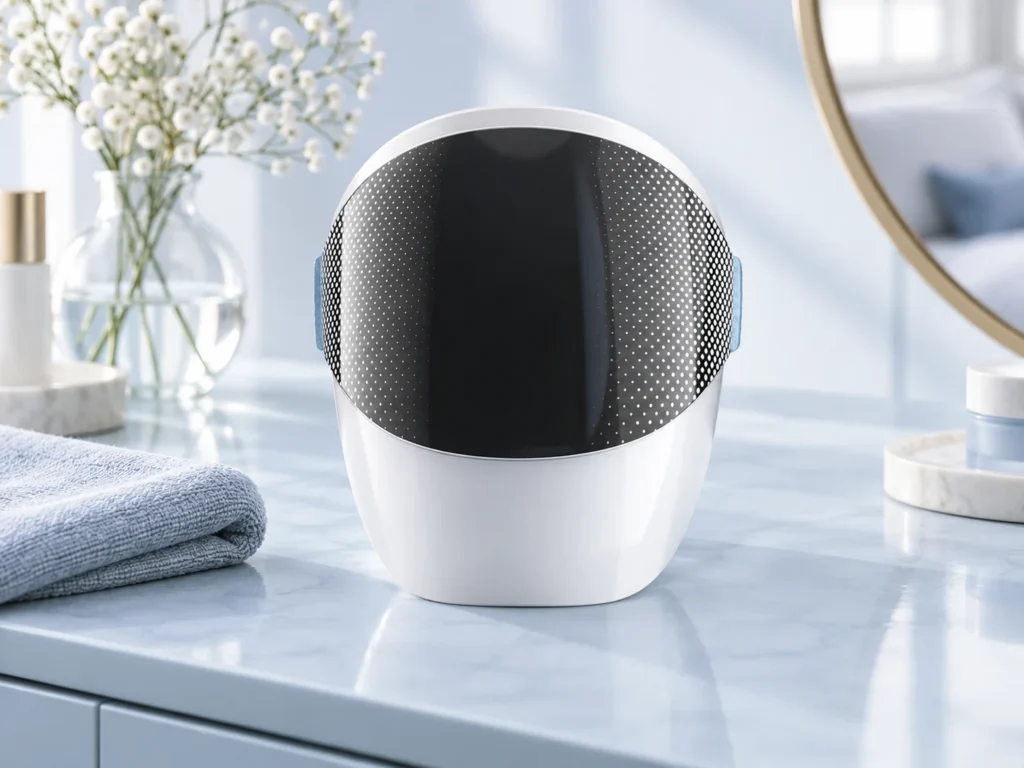
BINZIM’s BZ-3083 is a shield-style LED Beauty Mask. The original photo below identifies the actual catalogue product. It does not establish that the mask connects to an AI skin-analysis platform or has been tested with Amorepacific’s system.
A brand can discuss how the mask would be explained in a consultation, what supporting material the distributor needs and which product facts require confirmation. Start with that information architecture. Decide whether software adds value only after the recommendation workflow is coherent.
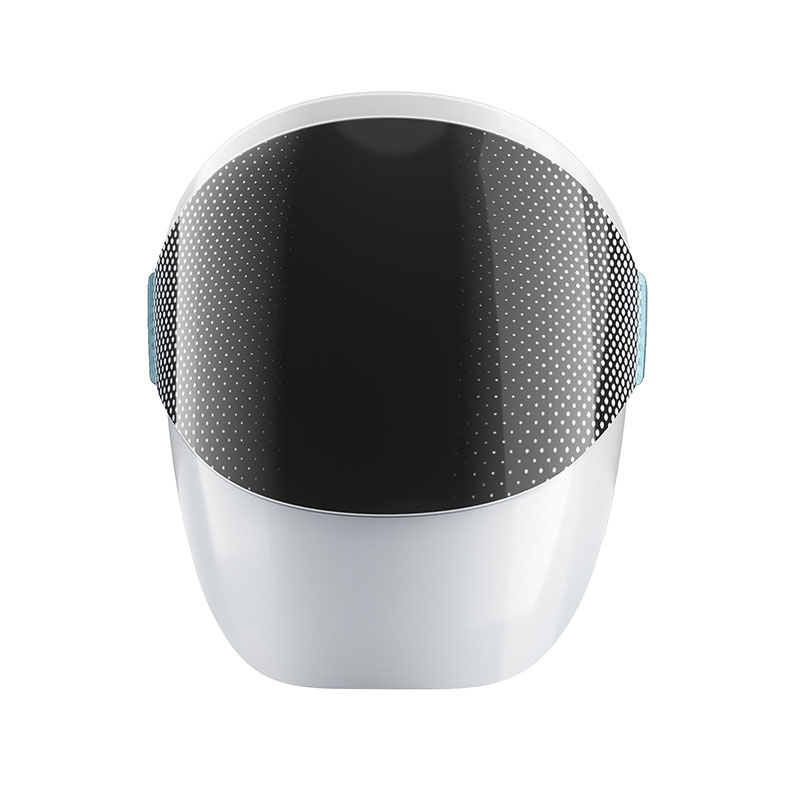
Explore the actual catalogue model: BINZIM BZ-3083 LED Beauty Mask. Request current configuration and model-specific documentation for your intended market.
Sources & editorial note
- AI Beauty Screen at VivaTech 2026 in France — Amorepacific, June 29, 2026.
BINZIM Editorial analysis. Company announcements are attributed; implications and procurement suggestions are our interpretation, not independently verified market forecasts. Sources reviewed October 7, 2026. Product availability, specifications and market-specific requirements should be reconfirmed before purchase.