L’Oréal’s January 2026 prototype announcement puts fit, routine and evidence in focus. LED sourcing should look beyond colour names and LED counts.
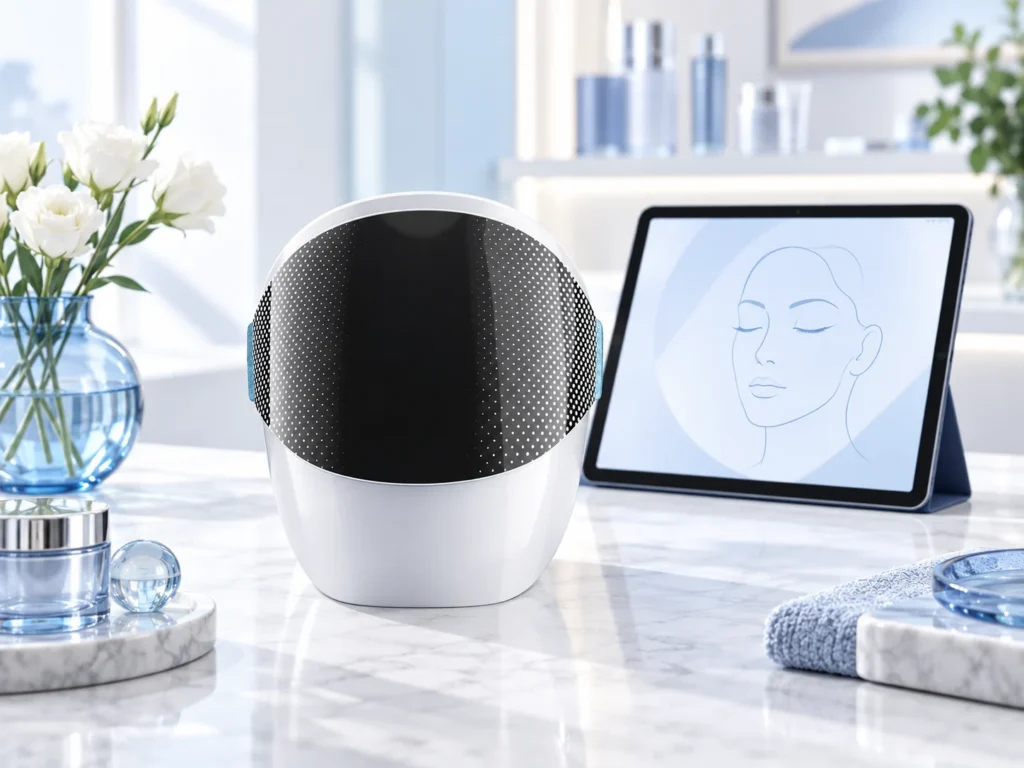
AI-generated editorial illustration based on BINZIM product references; not a photograph of the reported event or proof of product features.
The news: January 5, 2026
At CES 2026, L’Oréal announced a flexible LED Face Mask prototype developed with I-Smart Developments. Its January 5 release described an ultra-thin silicone design, red and near-infrared light, and automatically timed ten-minute sessions. The release expected a 2027 launch and noted that U.S. commercialization was subject to the FDA 510(k) process. This was a development announcement, not confirmation of a product already on every retail shelf. The prototype nonetheless highlights how much the physical experience matters in a wearable beauty category.
Source: L’Oréal Groupe announcement (January 5, 2026)
Wearability should be evaluated, not inferred
A mask’s front photograph says little about what a customer experiences during a complete routine. Brands should review how the product is positioned, how it is supported, how controls are reached and how it is stored afterward. Product photography can establish the form, but cannot prove comfortable fit for every user.
Different constructions create different trade-offs. A rigid shield and a flexible face-contact mask should not be described as the same product simply because both use LEDs. Procurement should examine the actual construction and intended operation instead of treating one competitor’s design direction as a universal replacement requirement.
Separate the routine brief from the optical specification
A buyer needs two linked documents. The routine brief explains who the product is intended for, how it is operated and what the customer must understand. The technical brief identifies the current model and the evidence available for the proposed specifications and claims.
This separation prevents marketing teams from converting a colour label into a clinical promise. The number of colours, a glowing photograph or an attractive timer display does not by itself establish an outcome. Ask the supplier which specifications can be documented for the exact version and which statements need further review.
- Evaluate fit and operation using the actual sample and supplied instructions.
- Request model-specific optical and safety information where relevant to the proposed market and claims.
- Distinguish development prototypes from commercially available configurations.
- Check that artwork, manual and product listing describe the same construction.
Do not turn a future launch into a present benchmark
A major company’s announced roadmap is useful for watching category direction. It is less useful as a reason to delay every current project or to promise a feature that has not been qualified. Timing, market access and the final commercial configuration can change between a prototype announcement and a retail launch.
A brand can instead set its own measurable development priorities: a comprehensible routine, appropriate product information and a credible model-specific evidence file. Those priorities remain valuable regardless of which prototype becomes available next year.
A different construction in the BINZIM catalogue
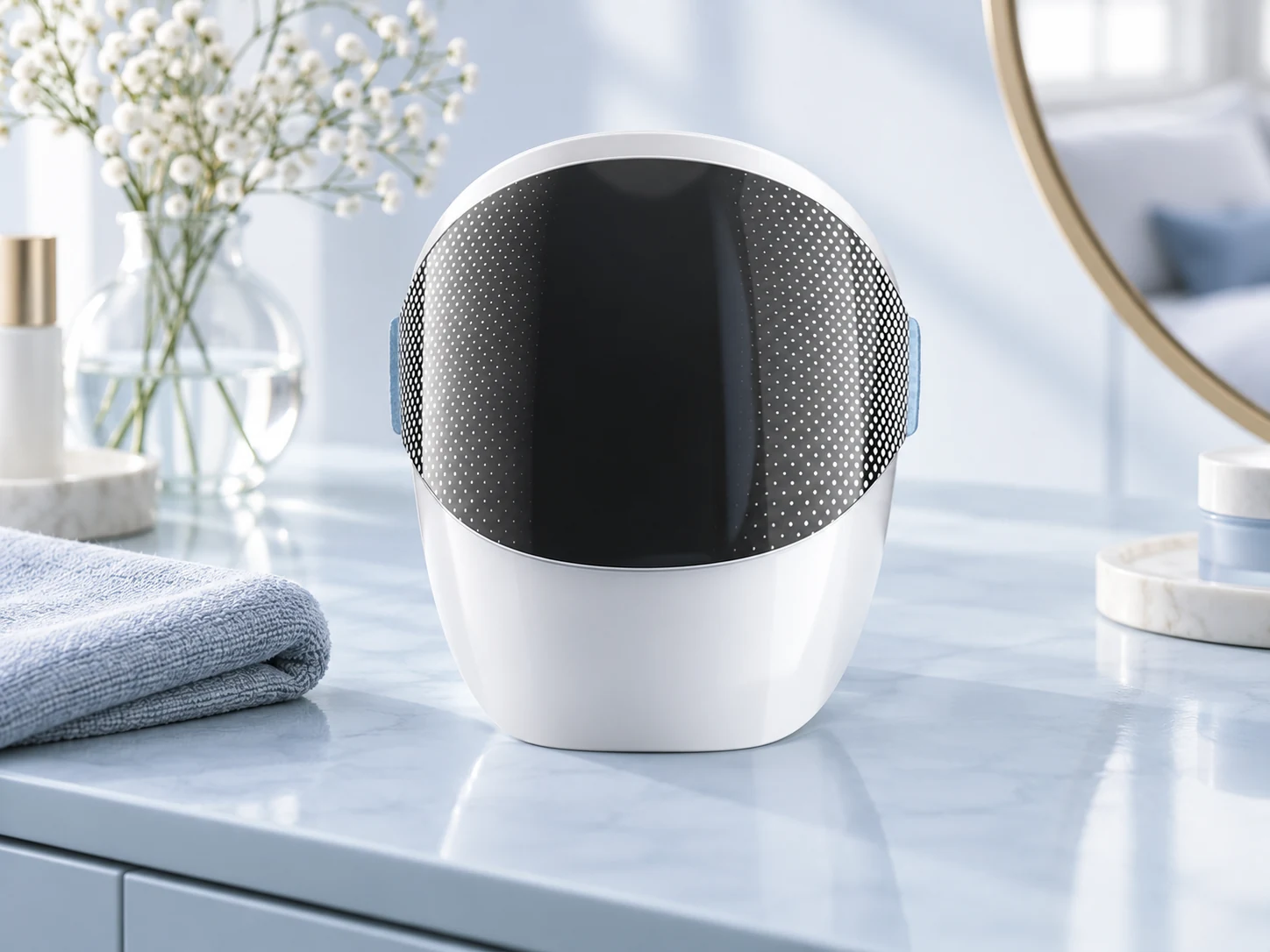
The original BZ-3083 photograph below shows BINZIM’s shield-style LED Beauty Mask. It is not the flexible L’Oréal prototype. No claim is made that it shares L’Oréal’s wavelengths, timing, evidence or regulatory status.
Use that distinction to build a more precise inquiry. Ask about the current mask configuration, operating sequence and documentation for the intended destination. A sourcing comparison becomes useful when differences are explicit, rather than hidden beneath the general label “LED mask”.
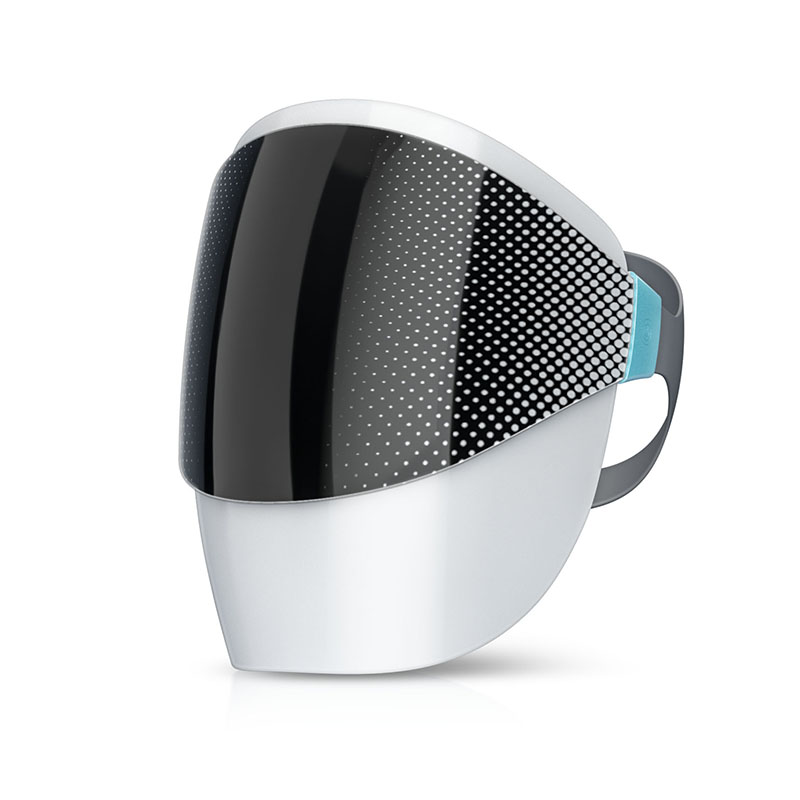
Explore the actual catalogue model: BINZIM BZ-3083 LED Beauty Mask. Request current configuration and model-specific documentation for your intended market.
Sources & editorial note
- L’Oréal beauty-tech announcements at CES 2026 — L’Oréal Groupe, January 5, 2026.
BINZIM Editorial analysis. Company announcements are attributed; implications and procurement suggestions are our interpretation, not independently verified market forecasts. Sources reviewed October 7, 2026. Product availability, specifications and market-specific requirements should be reconfirmed before purchase.